From Archeological Finds to Modern Creations: The Ex Situ Project Reinvents Ancient Materials
Ancient Echoes, Modern Forms: The Unconventional Journey of Discarded History
Revealing the "Ex Situ" Project: Repurposing Antiquity for Contemporary Design
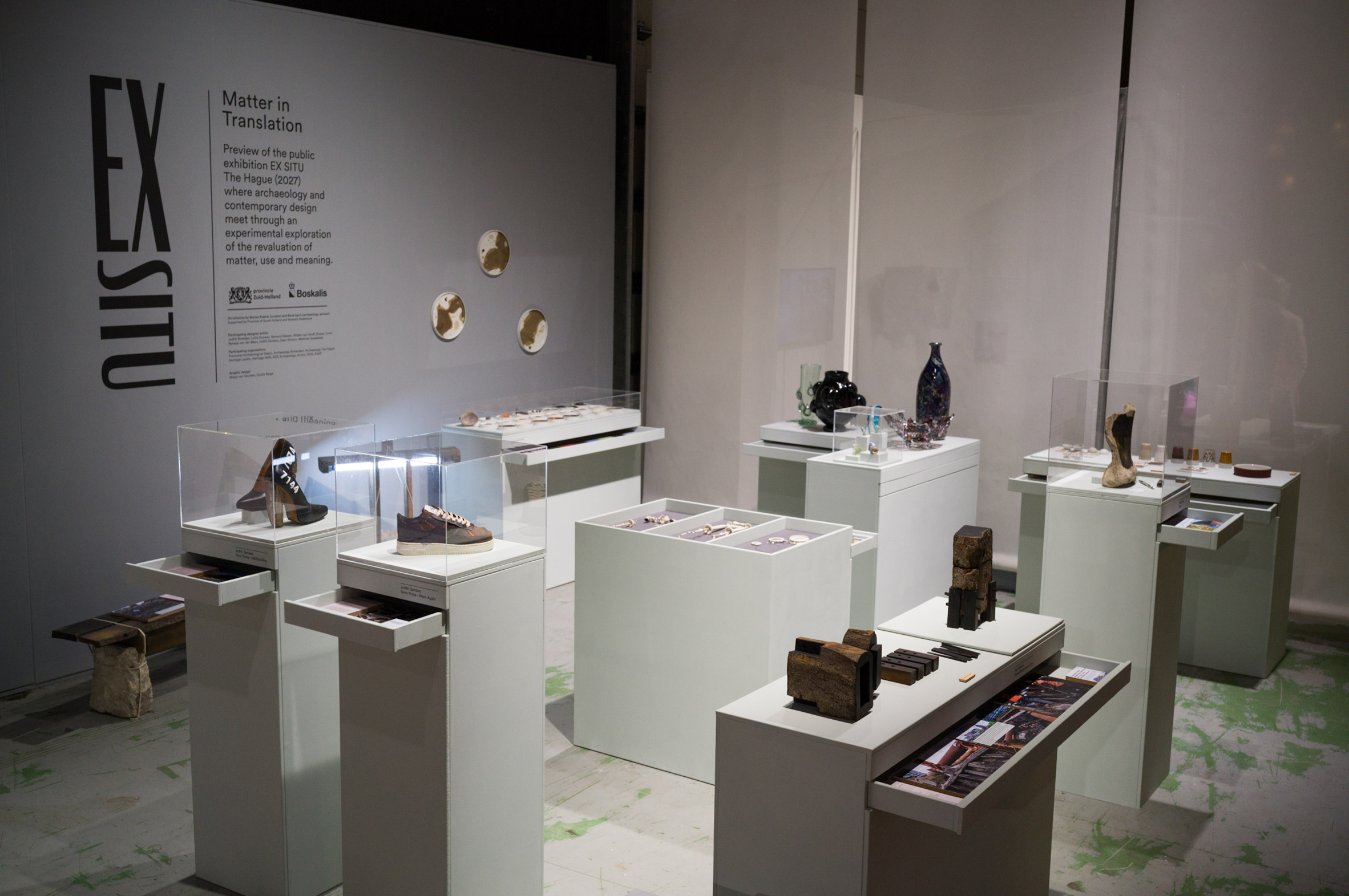
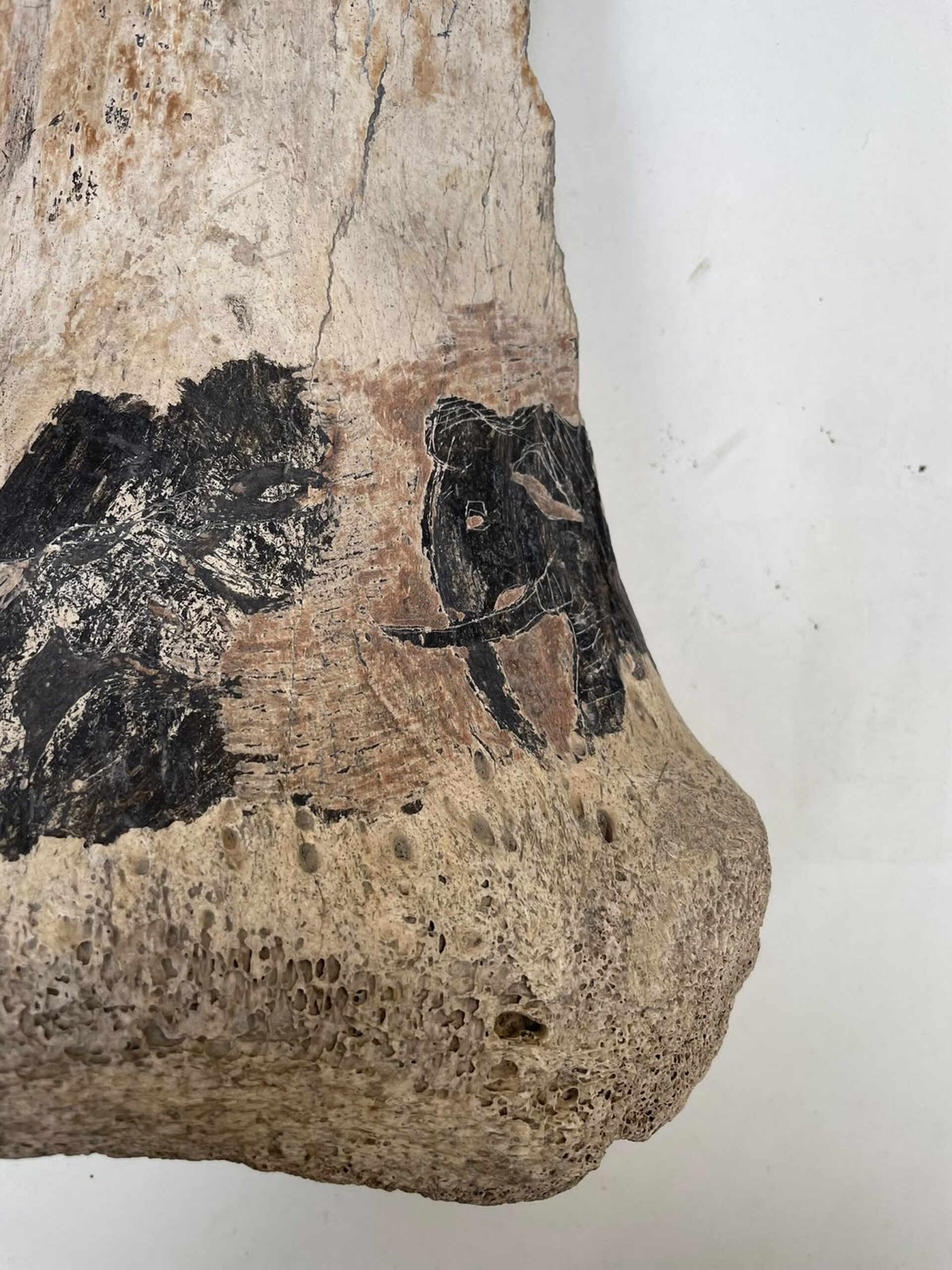
An innovative exhibition titled "Ex Situ" is set to captivate audiences in The Hague, featuring creations fashioned from remarkably old components. These include fragments of mammoth bone, preserved leather from the Middle Ages, and sections of a road constructed during the reign of Roman Emperor Hadrian. This showcase embarks on a journey to breathe new life into materials that many, within both archaeological circles and the wider public, might deem unsuitable for artistic reuse.
Redefining Archaeological Value: The Genesis of "Deselected" Artifacts
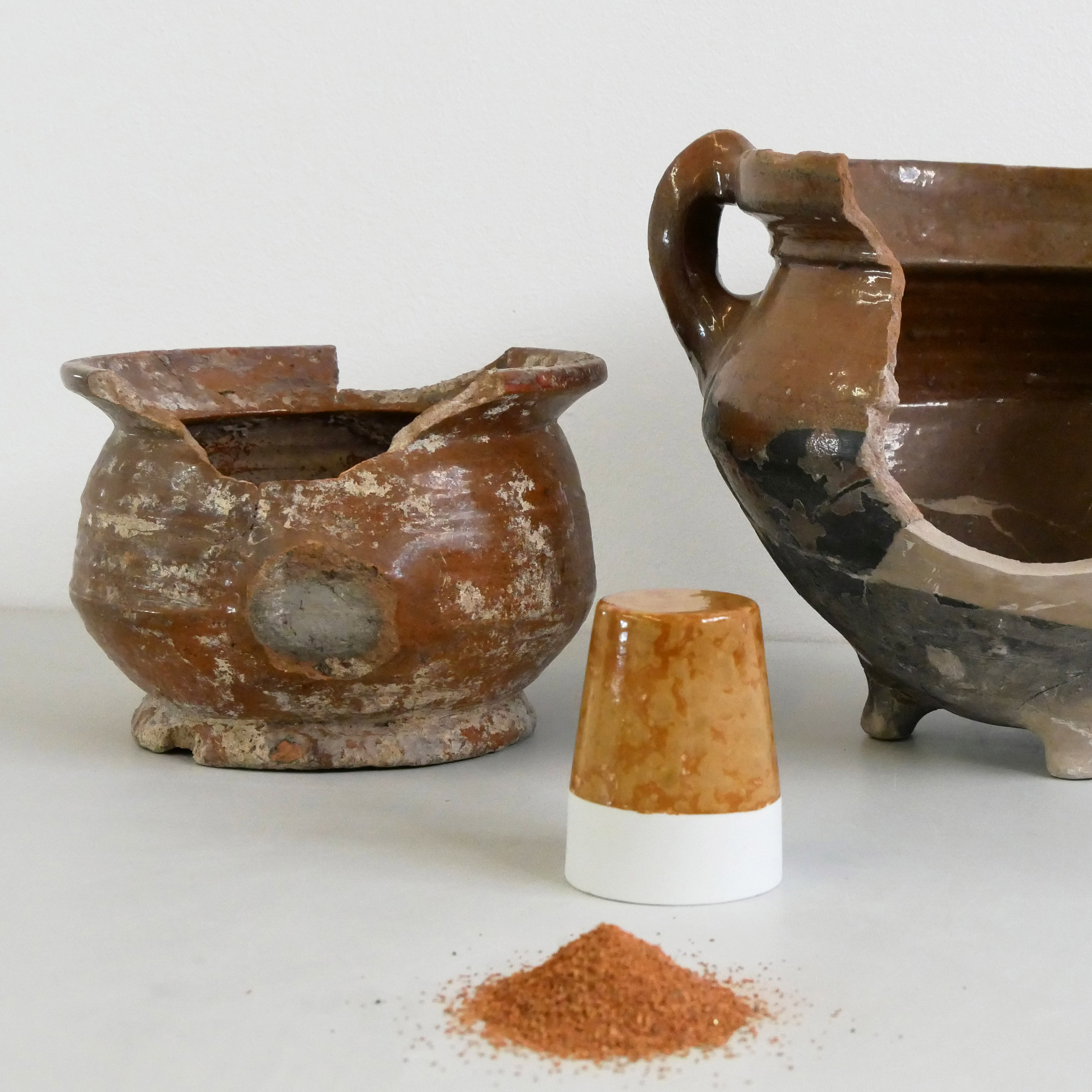
Conceived and overseen by Dutch designer Marisa Klaster, in partnership with archaeologist René Isarin, this project ventures into the realm of archaeological discoveries. It specifically utilizes items often considered surplus to requirements—finds from ancient digs that typically fall outside the criteria for museum collections. Though these pieces, such as 40,000-year-old mammoth remnants or 14th-century ship timber, possess undeniable historical weight, they are categorized as "deselected," meaning they are not slated for inclusion in any official archives.
The Fate of Forgotten Finds: Legal Obligations and Creative Opportunities
Archaeological items deemed "deselected" typically encompass duplicates, common specimens, poorly preserved fragments, or those with minimal prospective research utility. Isarin emphasized at an early viewing of the "Ex Situ" display during this year's Dutch Design Week that these materials represent the lowest tier of quality, unfit for museum exhibition or storage. He and Klaster further explained that, often, such unarchived archaeological artifacts are legally mandated for meticulous destruction, a practice prevalent across the globe, unless repurposed for educational or reference collections.
Bridging Disciplines: Designers as Storytellers of the Past
Despite the minimal archaeological value assigned to these remnants, both designers recognized their latent potential. The "Ex Situ" initiative seeks to forge a novel pathway for the utilization and preservation of these historical substances, grounded in the conviction that artists and designers can articulate heritage narratives in ways distinct from conventional museum displays. With official sanction from the province of South Holland, the team distributed these discarded materials to nine Dutch artisans specializing in diverse disciplines like ceramics, woodworking, and glass art.
Judith Sanders' Ingenious Footwear: Roman Roads to Runway Heels
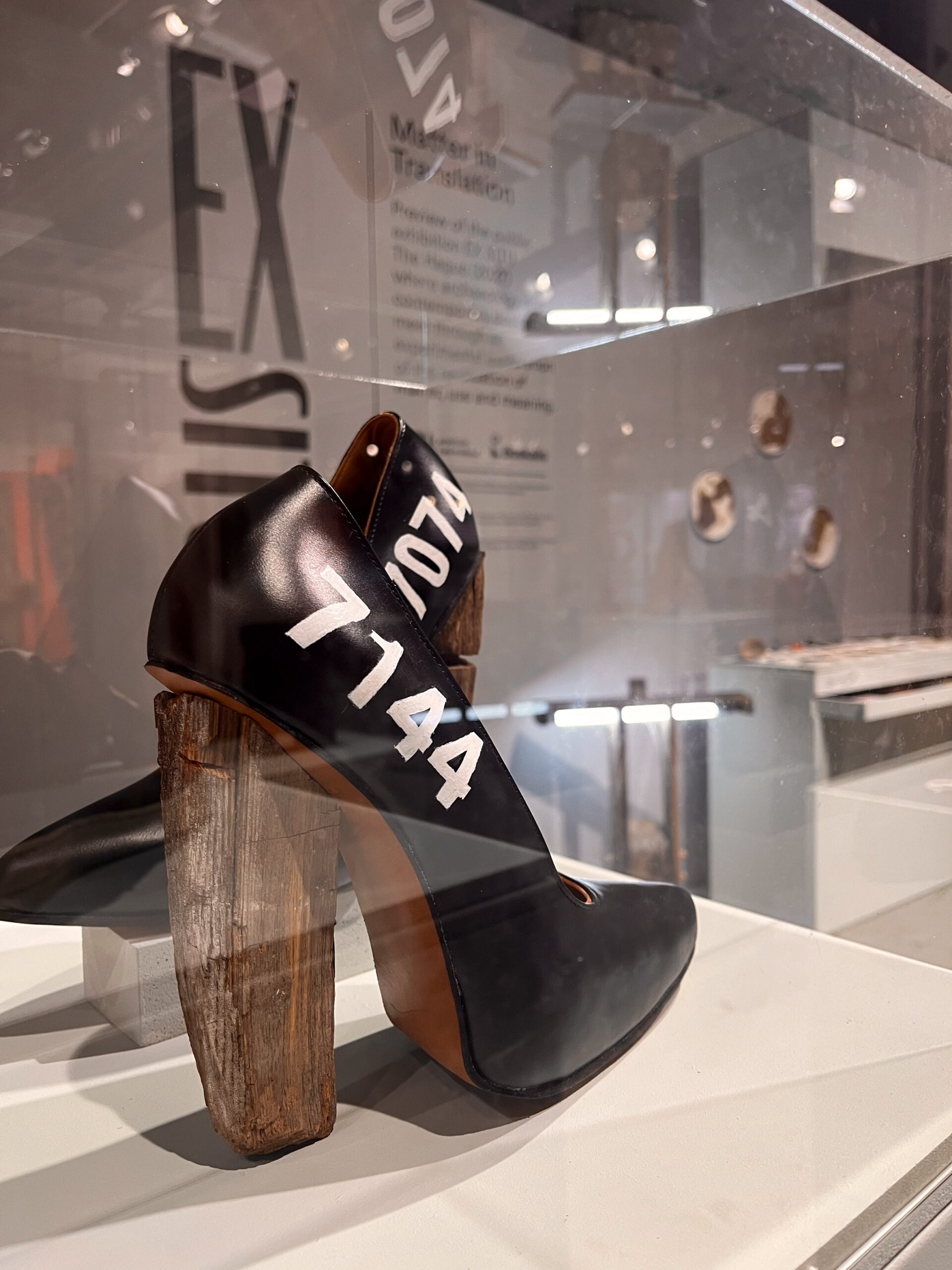
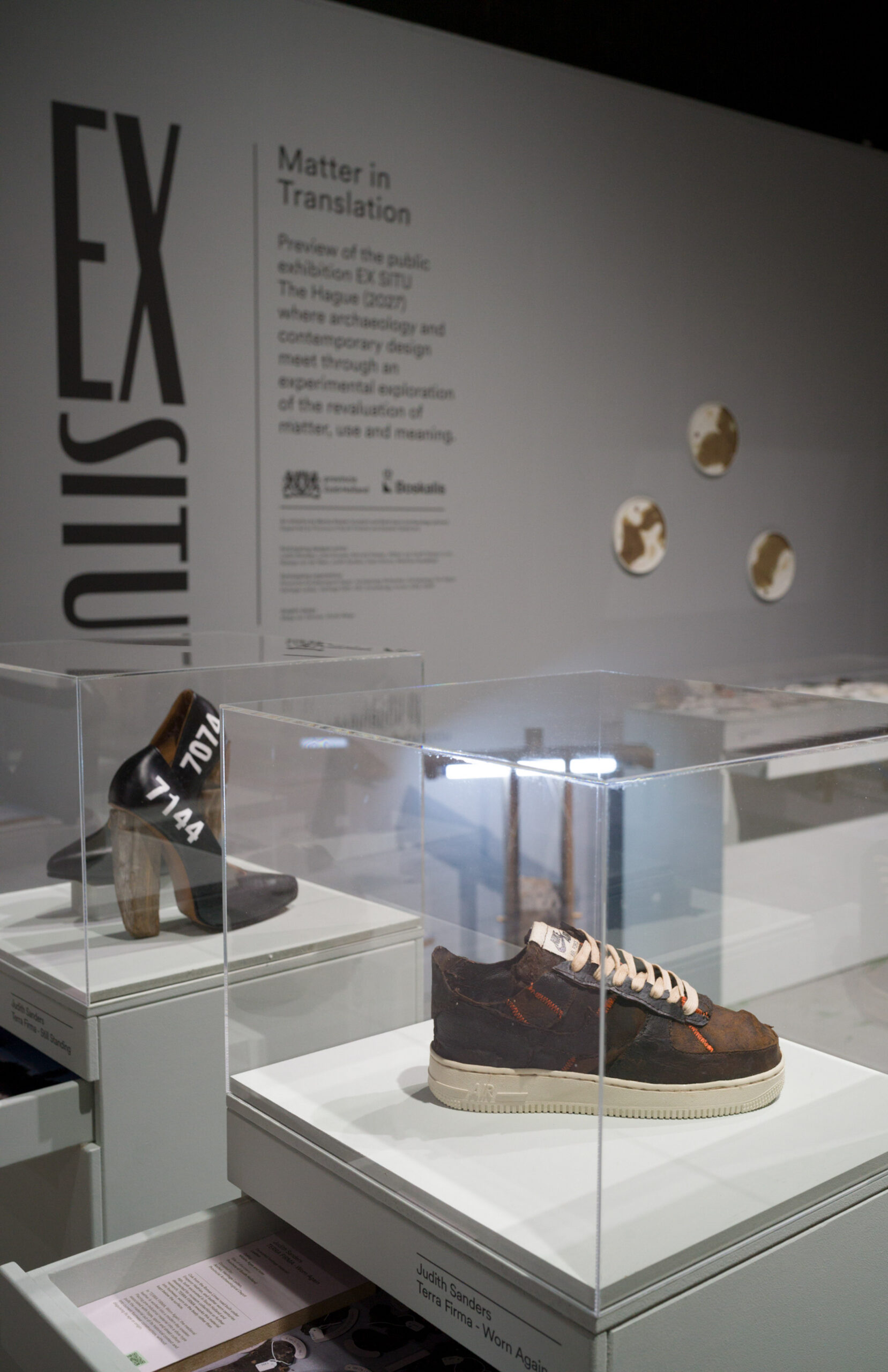
Among the standout exhibits, first unveiled at October's Dutch Design Week, was the contribution from footwear creator and material investigator, Judith Sanders. She ingeniously repurposed structural components from the Roman Limes border road, originally constructed in 125 AD under Emperor Hadrian. These ancient posts were transformed into the heels of modern high-heeled shoes, captivating Sanders with the idea that they could once again bear weight, albeit this time for a single individual.
Narrative Through Craft: From Roman Roads to Medieval Leather
The shoes feature prominent numerical markings on their sides, indicating the specific excavation location of the repurposed material. Additionally, Sanders presented another shoe design that integrated medieval leather into a contemporary sneaker style. Another noteworthy creation comes from artisan Daan Simons, who utilized fragments of 14th-century wood from a shipwreck, later incorporated into the construction of Rotterdam.
Containers of Memory: Daan Simons' Remembrance Pots
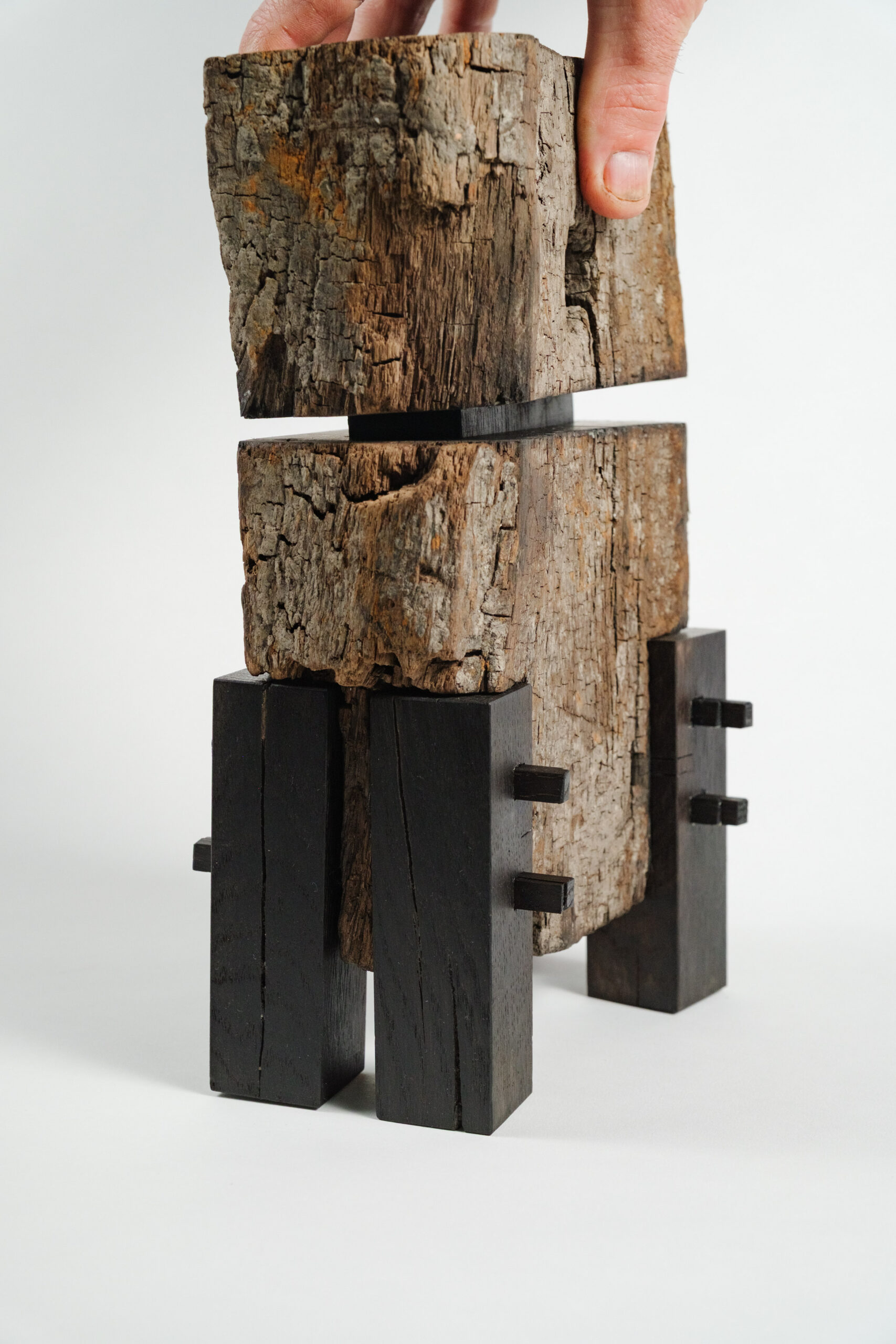
Simons' "Remembrance Pots" retain the unique texture and original peg holes of the ancient wood. He envisions these vessels as repositories for the ashes or treasured mementos of loved ones, thus layering new memories upon the material's existing historical narrative. The partnership between Klaster and Isarin began serendipitously at a timber drying facility, where Klaster was preparing wood for a furniture piece, and Isarin was drying the same discarded Roman posts, hoping they might find a new existence.
The Creative Leap: Overcoming Hesitation to Reshape History
Five years prior, Klaster, captivated by the distinctive dark hue of the posts, inquired if she could acquire them from Isarin, subsequently crafting a collection of tall vases. Since then, their dialogue has continuously explored the fertile ground where archaeology and design intersect. Klaster noted that while the "Ex Situ" participants received extensive background on the heritage of their materials, the project inherently instilled a degree of apprehension.
The Ethical Quandary: Balancing Sacred Heritage with Commercial Innovation
Klaster observed that the resulting works reflect deep contemplation and reverence from the designers. However, she acknowledged the initial reluctance some felt, asking if they truly could cut into such historically significant material. She reassured them, affirming their ownership of the creative process once a design vision was clear. This same hesitation, Isarin believes, resonates with many archaeologists, and a core objective of the exhibition is to stimulate professional discourse.
Sparking Debate: Commercialization and the Value of Deselected Finds
Isarin articulated that for archaeologists, these materials hold an almost sacred status, despite being unwanted in a traditional archival sense. While initial reactions have been largely positive, he anticipates a more complex ethical discussion if these designs move into commercial realms, such as Sanders' shoes being produced by a fashion brand. This commercialization, he suggested, could be perceived by some archaeologists as opening a "Pandora's box."
The Broader Conversation: Reconciling Profit with Preservation
Isarin highlighted that the moment these materials, otherwise devoid of conventional value, enter a commercial context and generate significant profit, it could be seen as a grave concern by many archaeologists, sparking a profound ethical debate. Nevertheless, both Klaster and Isarin firmly believe that such a discussion is not only necessary but beneficial.
A Tapestry of Time: Diverse Materials and Untold Histories
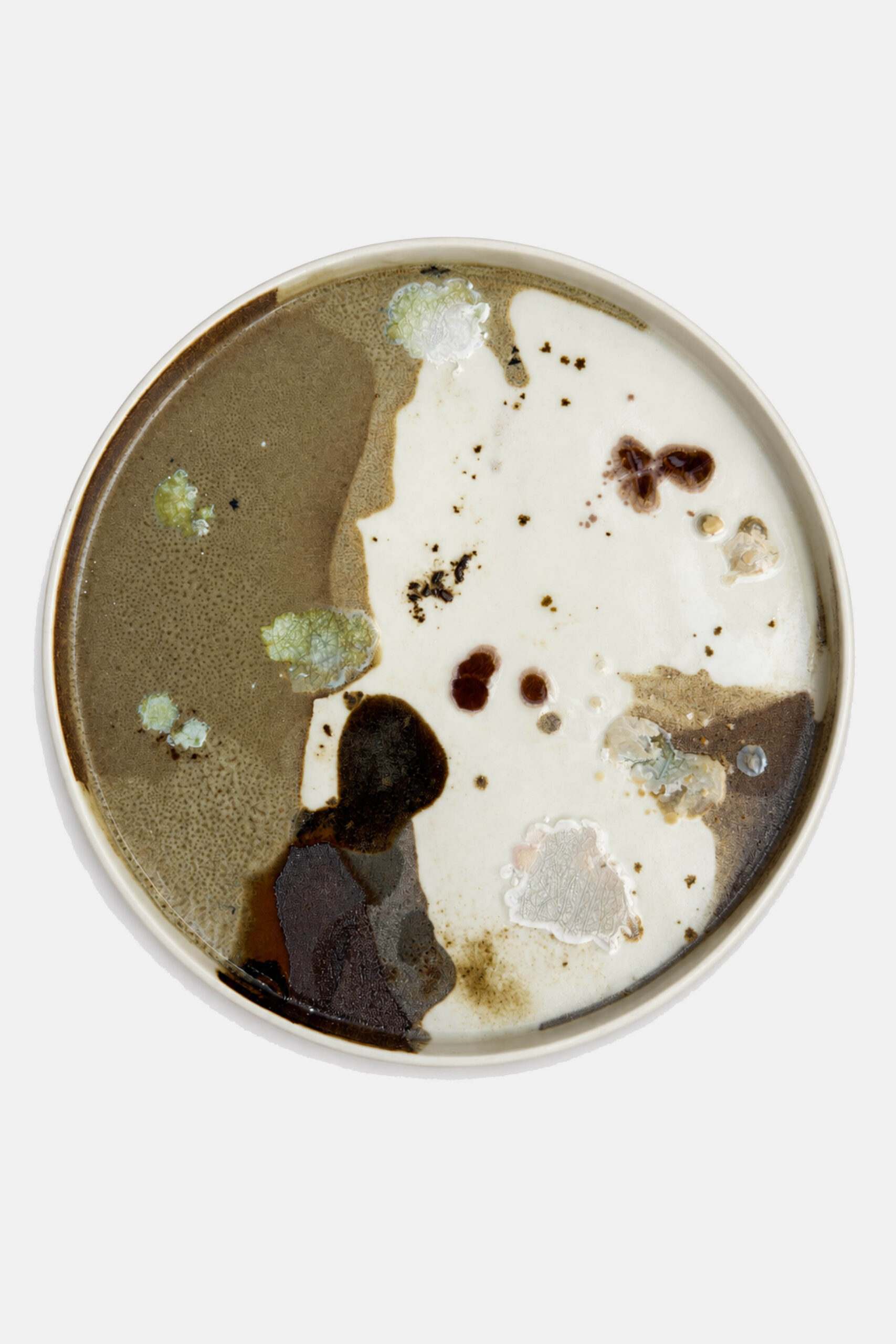
The exhibition showcases a diverse array of work from various practitioners, including glass artist Bernard Heesen, who employs 17th- and 18th-century glass, conceptual material designer Shahar Livne, who works with mammoth bone, and ceramicist Lotte Douwes, who explores Roman pottery. Klaster emphasized the abundance of rich historical matter surrounding us, brimming with incredible narratives spanning 40,000 years to the present day. The exhibition was initially previewed during Dutch Design Week, appearing alongside other notable installations like Maison the Faux and Boris Acket's "Everything Moist Seems Alive," and Show Not Show's "Table of Power." The full "Ex Situ: Matter in Translation" exhibition is slated for See Lab in The Hague, running from February 5 to March 7, 2027, and will incorporate various discussion-oriented events.